

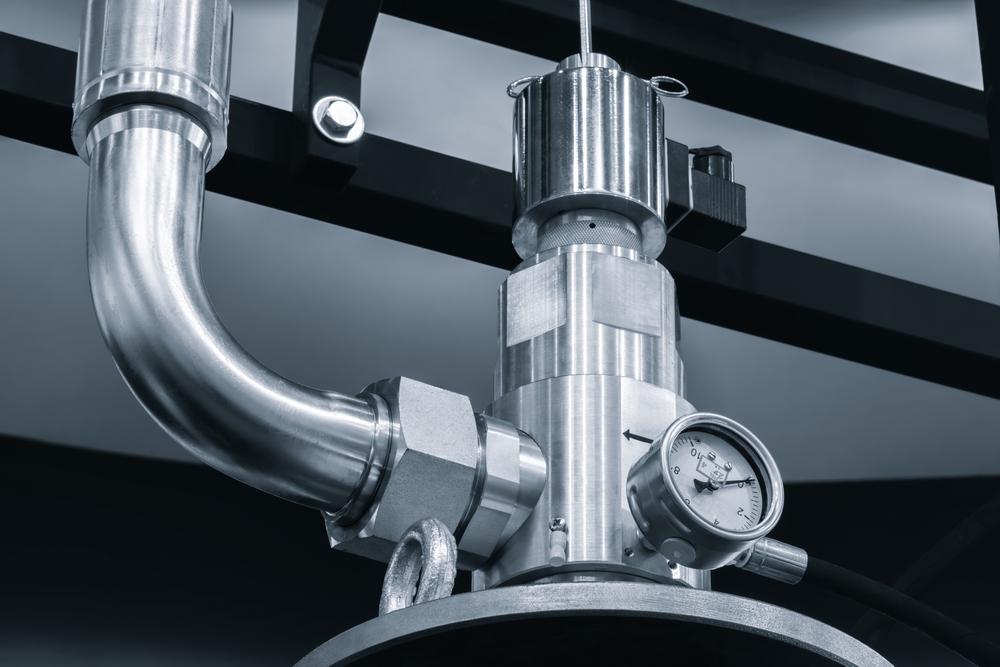
Understanding the Water Supply Regulations
What are the water regulations in the UK? They’re important to know about if you are a facilities manager, property owner, plumber or tradesperson, as they outline the rules needed to protect public health and control water quality when installing and maintaining plumbing systems.
Not following these strict rules can result in disastrous health hazards, blockages, costly alterations to plumbing infrastructure and potential legal issues. At MGE Training, we provide a WRAS (Water Regulations Approval Scheme) training course that provides credible recognition that your business and products are safe and follow the Water Supply Regulations.
This guide is for anyone working towards becoming a recognised plumbing contractor, to help them get a better understanding of these crucial regulations.
What Are Water Supply Regulations?
The Water Supply (Water Fittings) Regulations 1999 are national requirements in England and Wales for the design, installation and maintenance of plumbing systems found in any building connected to the public water supply. The strict requirements ensure that water is not wasted or contaminated. They underpin safe working practices, protect public health and ensure legal compliance when carrying out plumbing work in residential, commercial and public settings.
The Water Supply Regulations are set by the government and enforced by local water suppliers who have the authority to inspect installations, require remedial work and take enforcement action where necessary.
By controlling materials, system design, backflow prevention and maintenance standards, the regulations help ensure the water reaching the tap remains safe for consumption and use.
Who Do The Regulations Apply To?
The Water Supply Regulations apply to a wide range of properties and systems, including:
Residential properties
Houses, flats and multi-occupancy dwellings connected to the mains water supply.
Commercial and industrial buildings
Offices, factories, retail units, warehouses and hospitality venues with complex and industrial water systems.
Public buildings and shared water systems
Schools, hospitals, care homes, leisure centres and buildings with communal water storage or distribution.
Responsibilities of Owners vs. Occupiers
Property owners and facility managers are responsible for ensuring systems are compliant, safe and properly maintained. For any new installations or maintenance, they should appoint qualified plumbers and contractors with knowledge of the regulations to carry out the work.
On the other hand, occupiers and tenants may be responsible for day-to-day use, reporting faults and ensuring systems are not misused or altered incorrectly.
Both parties can be held accountable if non-compliance leads to risks or breaches.
Key Areas Covered by Water Supply Regulations
The regulations address several critical areas of plumbing and water system design, including:
Prevention of contamination
Contaminated water is a serious issue that can lead to serious health concerns for the public. The regulations put measures in place to stop harmful substances entering the water supply, including correct system design and isolation.
Backflow and cross-connection control
Requirements for air gaps, check valves and backflow prevention devices to stop contaminated water from flowing back into the mains.
Approved plumbing materials and fittings
Only approved materials and fittings may be used to ensure durability, safety and water quality protection.
Water storage and temperature control
Guidance on tanks, cisterns and temperature management to reduce risks such as bacterial growth.
Maintenance and inspection requirements
Systems must be regularly checked and maintained to ensure ongoing compliance and safety.
Common Compliance Issues
Despite clear guidance, compliance issues are common. Many of those responsible for water systems in buildings don’t keep up with proper maintenance and neglect inspections. For example, facility managers may skimp on upgrading older systems while still in use, which can increase the risk of contaminated water.
Other common compliance issues include a lack of adequate backflow protection, inadequate or neglecting risk assessments as well as incorrect or non-compliant plumbing installations.
What Happens If You Don’t Comply?
Failure to comply with the Water Supply (Water Fittings) Regulations 1999 will result in serious consequences.
The major consequence of non-compliance is the health risks contaminated water can cause. From acute gastrointestinal infections and viral infections that cause diarrhoea, vomiting and liver damage, to skin and eye infections and serious long-term chronic illnesses, failure to comply can result in life-threatening health issues for occupants and users.
Water suppliers can require remedial work for non-compliant plumbing and fittings, as well as issue enforcement notices or take legal action. In severe cases, non-compliance can result in fines or disconnection from the public water supply until issues are resolved.
For those practising or training to be in the water trade, failure to understand or comply to the regulations when carrying out work can result in the issues above, as well as reputational damage and non-approval by WRAS.
Staying Compliant
Maintaining compliance with the Water Supply Regulations is an ongoing process, not a one-off task. Regular inspections and routine checks help identify risks early and keep systems operating safely.
Using approved plumbers and fittings for any installations and maintenance reduces the risk of non-compliance. Any work carried out will require the right level of documentation, including inspection reports, risk assessments and maintenance records to demonstrate due diligence.
You should seek professional advice if you are ever unsure about how to remain compliant with the Water Supply Regulations, especially if you are responsible for complex systems.
What If The Regulations Change?
The Water Supply (Water Fittings) Regulations 1999 can be updated to reflect new risks, technologies or standards. If any updates do happen, contractors must stay informed about the changes to ensure ongoing compliance. Taking part in a training course that goes over the new regulations is a great solution to remain knowledgeable and compliant.
Commercial systems often have stricter requirements due to scale, usage and risk. But that shouldn’t mean domestic systems should be overlooked or less frequently maintained.
While the core principles are consistent, Scotland and Northern Ireland operate under separate but similar regulations to keep water systems contaminant free.
Keep Up to Date with Water Regulations with MGE Training
What are the water regulations? In England and Wales, the Water Supply Regulations (Water Fittings) 1999 outline strict rules and guidance to ensure the safety of water systems in domestic, commercial, public and industrial properties. Understanding and complying with the regulations is essential for anyone looking to become a recognised plumbing contractor. They protect public health, ensure legal compliance and form the foundation of professional plumbing practice in the UK.
MGE Training provides an in-depth course and practical guidance on the Water Supply Regulations, helping you meet industry standards and work with confidence. To learn more, explore our WRAS course or contact us today to speak with a member of our team about the right course for you.