
Is F-Gas Certification Worth It for Gas Safe Engineers?
F-Gases or ‘fluorinated gases’ are a selection of potent and man-made greenhouse gases that contain fluorine. This form of gas is primarily used in refrigeration, aerosols, fire suppression systems and air conditioning. Although they are classified as greenhouse gases, they don’t deplete the ozone layer; instead, they remain in the atmosphere for centuries and trap heat, which can warm the planet. Because of this, there are many F-Gas regulations to monitor their global warming potential, which is crucial information for gas safe engineers.
An F-Gas certification is an important qualification for gas engineers, as it enables them to work on refrigeration units, heat pumps and other related systems. Not only does this expand your client base, but it also ensures safe and correct working practices. For a gas safe engineer looking to remain within regulations and offer a wider service, F-Gas certification is a great step forward.
Gas Safe vs F-Gas? What’s the Difference?
The biggest difference between the two is that an engineer who is ‘Gas Safe’ certified is completely qualified to work with natural gases and appliances like boilers and cookers. More specifically, it allows for safe work to be done on appliances that use fossil fuels like liquefied petroleum gas (LPG). An F-Gas engineer, however, is qualified to work with applications that have the risk of environmental damage. Gas Safe qualifications are for mains gas and LPG; F-Gas qualifications are for refrigerants.
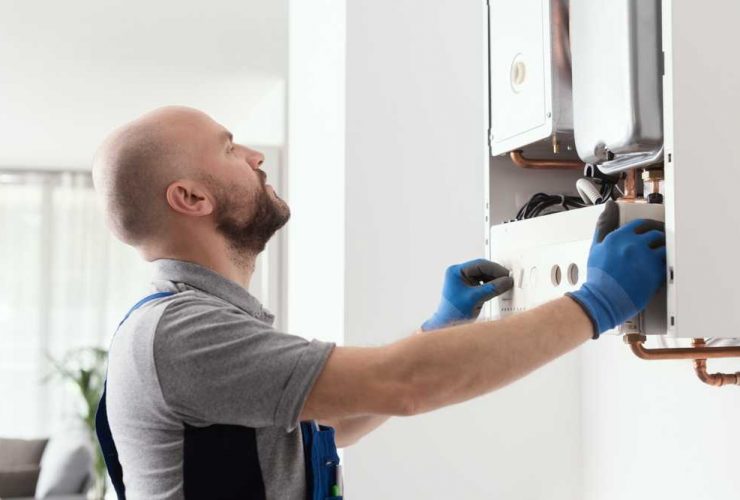
The typical real-world job types for these qualifications would be a Heating, Ventilation and Air Conditioning (HVAC) engineer for a qualified F-Gas technician. Whereas a Gas Safe certified worker would find themselves as a more typical ‘gas engineer’ and can work anywhere gas-fuelled appliances are or have been fitted.
What Work Becomes Available with F-Gas?
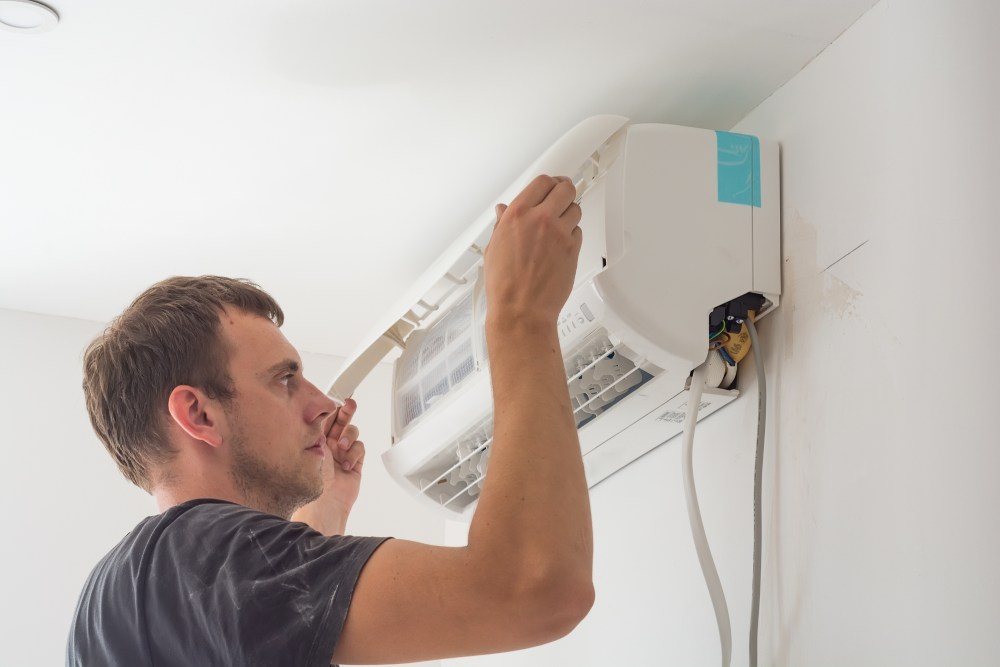
With an F-Gas qualification in place, a wider range of regulated HVAC and cooling work becomes accessible. Air conditioning installation and servicing can be carried out legally and in line with F-Gas regulations. This work can include leak checking, refrigerant recovery or system repairs.
Heat pump installation projects involving fluorinated refrigerants are also opened up, allowing work across domestic and commercial properties. Refrigeration tasks expand to include commercial cooling systems used in retail, hospitality and food storage environments.
In addition to all of this initial work, ongoing maintenance contracts can be secured, covering routine inspections, performance testing and continued compliance documentation. These contracts provide recurring income and long-term client relationships, which can be crucial for both self-employed and contracted F-Gas engineers.
Earning Potential and Business Growth
Like with any extra qualification, the chance for earning potential to be increased is significant with an F-Gas certification. Being able to prove you can adhere to F-Gas regulations can command higher day rates.
Engineers without F-Gas are often limited to more typical installation work, while certified professionals can undertake commissioning, servicing and refrigerant handling, which typically attracts better pay.
Additional revenue can be generated by upselling servicing and maintenance contracts alongside installations, creating repeat business and stronger client retention. These agreements provide consistent cash flow beyond one-off jobs. Seasonal income can also be streamlined, as servicing, inspections and compliance work remain in demand outside peak installation periods.
Cost, Time and Commitment
The cost of F-Gas training in the UK is typically considered a moderate investment, depending on category and provider. Training is usually completed over three to five days, combining classroom learning with hands-on practical sessions. Those assessments are generally carried out through a written multiple-choice exam alongside practical tasks that demonstrate safe refrigerant handling.
Once qualified, certification is not permanent, as renewal or reassessment is required every five years to remain compliant and up to date with F-Gas regulations. Time away from work should also be factored in, making it an important consideration before enrolling. But a week of lost revenue can be quickly earned back with the higher rates an F-Gas qualified engineer can charge.
When F-Gas Is Worth It
Understanding F-Gas regulations and becoming certified can be ideal for engineers who are interested in doing the following:
- Engineers looking to carry out air conditioning installation, servicing and refrigerant-related work
- Engineers planning to move into heat pump installation and commissioning involving refrigerants
- Engineers working with commercial clients who require compliant refrigeration or cooling systems
- Engineers aiming to future-proof their business by accessing higher-value work and meeting regulatory requirements
When It Might Not Be Worth It
F-Gas regulations are not something everyone wants or needs to know about. For engineers who are only interested in doing the following, it may not be worth it to complete an F-Gas certification.
- Pure boiler breakdown specialists whose work does not involve refrigerants, and likely never will
- Engineers operating in areas with consistently low demand for air conditioning or cooling systems
- Engineers close to retirement who are unlikely to recover the cost of training and certification
- Business models that avoid refrigerant exposure entirely, such as plumbing-only or non-cooling heating services
Conclusion
Completion of an F-Gas certification course is not a mandatory requirement for traditional gas engineers, but it can be a powerful option for those engineers looking to expand their client base and upskill themselves into a different industry. Whether you are planning on being able to take on only jobs that require knowledge of F-Gas regulations during maintenance or servicing or are looking at incorporating them into your existing workload, F-Gas certification can be a strategic business investment.
If an F-Gas certificate is something you or your business is interested in pursuing or you are looking for other accredited gas training courses or Gas Managed Learning Programmes, contact the team here at MGE Training to discuss our options either by phone at 0121 557 7009, by email at enquireies@mgetraining.co.uk or via our contact form.