

From Trainee to Certified: Building Expertise in Gas Meter Installations
Demand for skilled gas engineers is rising as energy systems expand and safety standards tighten. Homes and businesses must rely on qualified gas meter installation professionals to ensure that all work is safe and legally compliant.
Gas meter installation is a core skill, requiring technical knowledge, precision and strict adherence to safety regulations. Correct installation ensures accurate readings and helps prevent hazards like leaks.
The pathway from trainee to certified engineer is structured. It begins with foundational training in gas systems and safety, followed by supervised practical experience. Through ongoing assessments and accreditation, trainees gain the competence and confidence needed to become certified professionals, capable of carrying out gas meter installations independently and to industry standards.
Understanding the Role of a Gas Meter Installer
Gas meter installers are responsible for fitting, maintaining and replacing gas meters in residential and commercial properties. Their work ensures accurate measurement of gas usage and a reliable energy supply. A key part of the role involves inspecting systems, identifying faults, and following strict procedures during installation.
Safety and compliance are central to the job. Installers must adhere to industry regulations and standards to prevent risks such as gas leaks or faulty connections.
They regularly collaborate with energy suppliers, fellow engineers and homeowners, coordinating installations and explaining processes clearly. Strong communication and technical skills are essential for delivering safe, efficient and compliant gas meter installation services.
Starting Your Journey as a Gas Engineering Trainee
Starting out your career as a gas engineering trainee involves you already achieving basic qualifications in maths and English, along with a vested interest in practical, technical work. Some individuals may also complete introductory vocational courses to further strengthen their initial understanding.
During training, beginners learn essential skills such as working with gas systems, handling tools correctly and applying key safety practices. Developing accuracy and problem-solving abilities is equally important.
Following a structured training programme is crucial for building both knowledge and hands-on experience. Providers like the team here at MGE Training, offer modern and practical learning environments, allowing trainees to gain real-world experience and progress confidently towards a career in gas engineering.
Developing Practical Skills in Gas Meter Installations
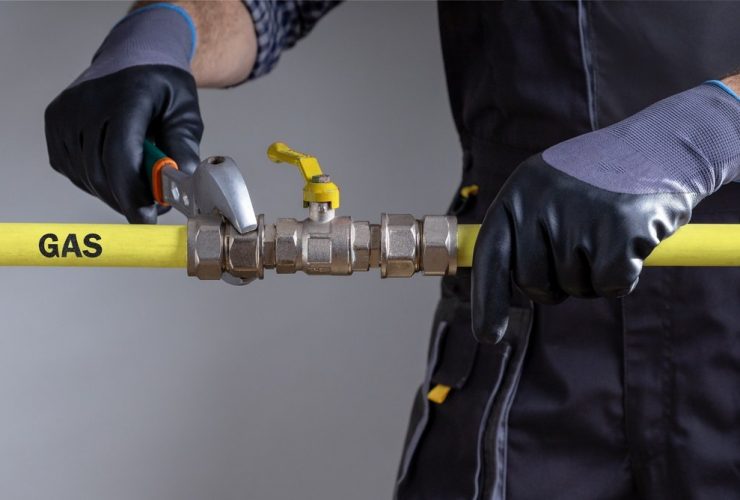
Building practical expertise in gas meter installations involves mastering a range of essential technical skills. Trainees learn how to carry out pipework installation, ensuring connections are secure and meet required standards. Gas pressure testing is another critical skill, helping to confirm system integrity and detect potential leaks before commissioning.
A strong focus is placed on safety procedures, including risk assessment and the correct use of protective equipment. Understanding installation and maintenance practices is equally important, as engineers must be able to fit, inspect and service meters effectively. Through hands-on training and real-world scenarios, trainees develop the confidence and competence needed to perform gas meter installations safely, accurately and in line with industry regulations.
Achieving Certification and Industry Recognition
Before you can start working legally and professionally in the gas industry, you must pursue the appropriate certification. In the UK, engineers must be registered with the Gas Safe Register which acts as a guarantee of quality, safety and competency when carrying out gas work.
Another key step in this process is completing the ACS Gas Assessment. This assessment evaluates an individual’s knowledge and practical skills across various gas-related tasks.
Certification is not just a formality; it is a legal requirement that has been designed to protect both engineers themselves and the wider public. It demonstrates that an engineer meets strict industry standards and can safely install, maintain and repair gas appliances and systems.
Benefits of Professional Training Programs
Enrolling in a professional gas engineering training programme will open you up to several valuable advantages. One of the most important is hands-on experience, allowing trainees to apply theory in practical settings and build authentic confidence in their own abilities.
Learners also benefit from guidance provided by experienced instructors who bring industry insight and real-world knowledge into the training environment. This ensures students gain up-to-date, industry-relevant skills that align with current standards and practices.
In addition to these initial benefits, many programmes offer career support, helping trainees transition into employment after qualification. From CV advice to job placement assistance, structured training not only builds technical ability but also supports long-term career development in the gas engineering sector.
Career Opportunities After Certification
Newly certified gas engineers will be able to explore a wide range of career opportunities within the industry. Many begin as gas meter installation experts, focusing on fitting and replacing meters in domestic and commercial settings.
Others progress into domestic gas engineer roles, working on heating systems, boilers and other associated appliances. There are also opportunities in maintenance and servicing, where engineers carry out regular inspections, repairs and routine checks to ensure systems operate safely and efficiently.
For those seeking independence and direct personal growth, self-employment is a viable and desirable option. Qualified engineers can start their own businesses, offering specialised services and building a client base while enjoying greater flexibility and earning potential.
How MGE Can Help You Progress to Become a Certified Gas Professional
Qualifying as a gas professional involves a combination of structured training, hands-on experience, personal confidence and recognised certifications. MGE Training helps support this important progression through programmes focused on developing practical skills and confidence.
With guidance from experienced instructors and real-world learning opportunities, our trainees can successfully move toward certification. Choosing high-quality training plays a critical role in building a stable and rewarding career within the gas engineering sector. Get in touch to find out more about our training programs today.