
Top Electrical Safety Tips Every Trainee Should Know
Electrical safety should be a priority from the very first day of training. Building safe working tips and good working practices into the daily routine during the early stages of work will help trainees reduce risks, work confidently and develop the foundations for a safe and successful electrical career. Safety is not simply an additional consideration; it is a fundamental part of every accredited electrical qualification.
Learning and applying correct safety procedures from the outset helps prepare trainees for responsible professional practice.
Why Electrical Safety Matters for Every Trainee
Electrical safety tips are essential for every trainee starting out in this industry to keep with them 10, 20, 30+ years into their career. Obviously this is because there are significant risks when working with electricity to the worker, the public and general infrastructure. Electrical shocks, burns, fires and other potential fatal injuries are all prevalent in this industry if correct working practices aren’t followed.
By obtaining a full understanding of these hazards and learning how to control them, trainees and experienced workers alike can help minimise any potential accidents. Trainees must also follow relevant UK electrical regulations and safe working procedures to ensure work is completed correctly and legally. Developing safe working habits from the beginning builds confidence, improves decision-making and prepares trainees for real-world situations.
Always Isolate the Electrical Supply Before Working
What may sound like an obvious check can often be overlooked, particularly in busy environments. But making sure the electrical work you are setting out to complete has been correctly switched off or isolated is crucial. Using proper lock-off procedures helps prevent power from being restored accidentally while work is being carried out.
Never assume that a circuit is dead simply because it has been switched off. Follow the correct safe isolation process and use an approved tester to prove the circuit is dead before beginning any work.
Test Before You Touch
Similarly to the last point, just because the switch is off doesn’t always mean that the power itself is off. There could be an error with the isolation switch or faulty previous wiring. By using an approved voltage tester you can test if the area you are starting work on is truly shut down. This prevents potentially fatal electrocutions and burns from touching live wires.
Wear the Correct PPE
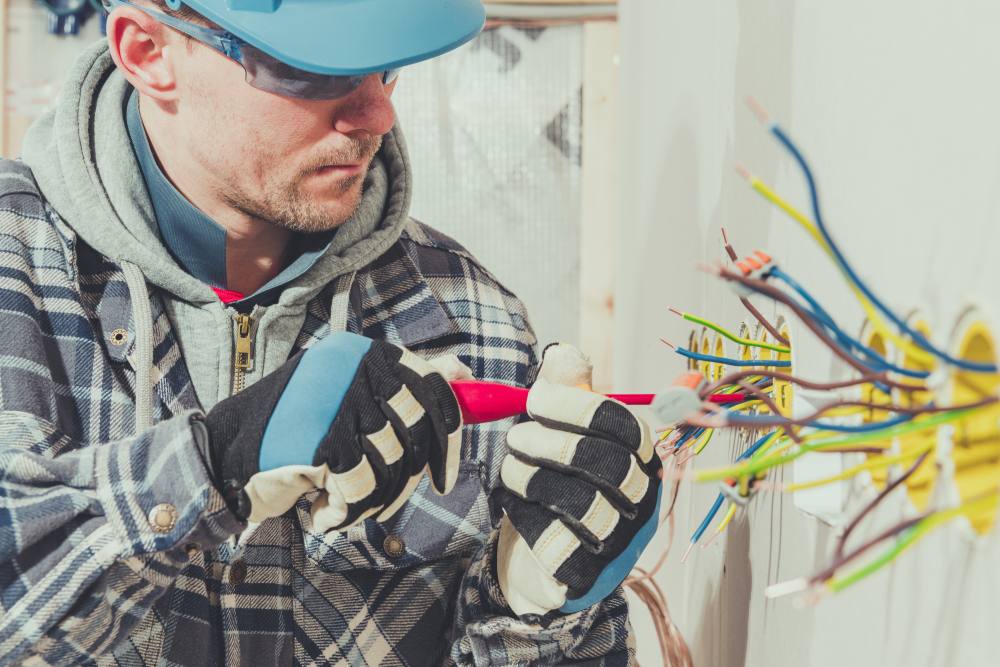
Wearing appropriate PPE provides an additional layer of protection when carrying out electrical work. Safety boots, eye protection and insulated gloves should be worn where necessary. Flame-resistant clothing may also be required for certain tasks, while hard hats should be worn on construction sites when appropriate. PPE supports safe working practices but should never replace proper isolation, testing, risk assessments or other essential safety procedures.
Learn to Identify Common Electrical Hazards
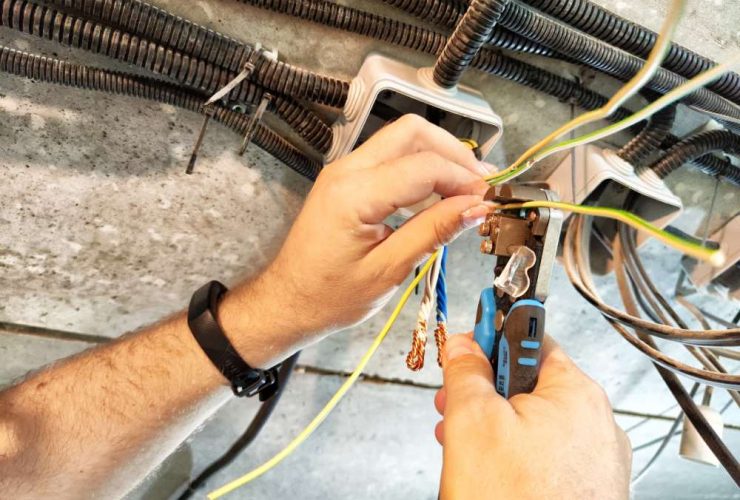
Trainees should learn how to recognise common electrical hazards before carrying out work. Damaged cables and exposed conductors can pose serious risks, while overloaded circuits may cause overheating or fire. Wet or damp environments will have a significant increase in the likelihood of electric shock and poor housekeeping can create additional hazards. Faulty tools and inadequate lighting can also contribute to accidents, making regular checks and awareness essential.
Use the Right Tools for Electrical Work
As with any job or task to be carried out, you should always use the right tools for the job and ensure they remain in good condition. When it comes to electrical work, it is always important to use equipment that has been fully PAT-tested and insulated tools that can help prevent shocks should the eventuality arise. Check any and all tools for signs of damage or excessive wear before use and make sure any powered equipment has been thoroughly checked.
Never Work Beyond Your Competence
With work as serious as electrical work, there is no shame in knowing your own limitations, so any trainee should only ever carry out electrical work they are comfortable in performing. If you are unsure about the task or your own ability to complete the task, you should always err on the side of caution and seek advice from more experienced professionals.
Working under supervision can help build these practical skills safely. Following site instructions and continuing to learn throughout your career are also important for developing competence and confidence.
Keep Your Work Area Safe and Organised
Keeping the work area clean and organised is an important part of electrical safety. Loose cables, tools and materials can create trip hazards, so these should be managed and stored appropriately. Good housekeeping should be maintained throughout the job rather than left until the work is complete. A tidy working environment helps protect you and your colleagues while also reducing potential risks to customers and members of the public.
Stay Up to Date with Electrical Regulations
Electrical regulations and industry standards are regularly updated, making it essential for electricians to keep their knowledge current. Staying familiar with the latest wiring regulations and electrical safety tips helps ensure work is completed safely and meets the required standards. Refresher training and continued professional development can help electricians stay informed about important changes and maintain their skills. Regular training also supports compliance and encourages safe, professional working practices.
Safety Starts with Quality Electrical Training
Quality electrical training is essential for anyone looking to build a successful career in the industry or help to refresh electrical safety tips. Good training helps trainees develop safe working habits, practical confidence and a strong understanding of electrical principles and industry standards. It also ensures they learn how to carry out work correctly while following recognised safety practices and legal requirements.
Gaining the right knowledge and experience from the outset will provide trainees with a reliable foundation within the electrical industry.
Start Your Electrical Career with Confidence
Safety Habits Built Today Shape Your Future Career
When you fully understand the potential dangers of electrical work, good safety habits will form far more easily and become second nature to you throughout your whole career. Keeping these relatively basic electrical safety tips at the forefront of your mind while working will help you prevent potentially drastic problems from igniting.
This can only be learnt through proper training and the creation of competent and confident electricians. Whether that is with a basic electrical training course, a City and Guilds level 2 or level 3 diploma, an NVQ or electrical inspection training, MGE Training has the instructors and experience to spark your career.
Contact the team today on 0121 557 7009 or by emailing enquiries@mgetraining.co.uk.